Reiki Therapy: Harnessing Energy for Healing and Balance
In today’s fast-paced world, people are increasingly searching for holistic methods to restore balance, reduce stress, and improve their overall well-being. Among the many modalities that have gained global popularity, Reiki therapy stands out as a gentle, non-invasive healing practice rooted in energy work. Whether you’re new to complementary therapies or a seasoned wellness enthusiast, Reiki offers profound benefits that touch the body, mind, and spirit.
This blog explores the origins, principles, techniques, benefits, and modern applications of Reiki therapy, providing a comprehensive overview of this fascinating practice.
What is Reiki?
Reiki (pronounced ray-kee) is a Japanese healing technique developed in the early 20th century by Mikao Usui, a Buddhist monk and spiritual teacher. The word itself comes from two Japanese characters:
Rei – meaning universal, divine, or spiritual.
Ki – meaning life force energy, also known in other cultures as chi, prana, or qi.
Together, Reiki can be translated as “universal life energy.” Practitioners believe that Reiki involves channeling this life energy through the hands to promote relaxation, healing, and energetic balance in the recipient.
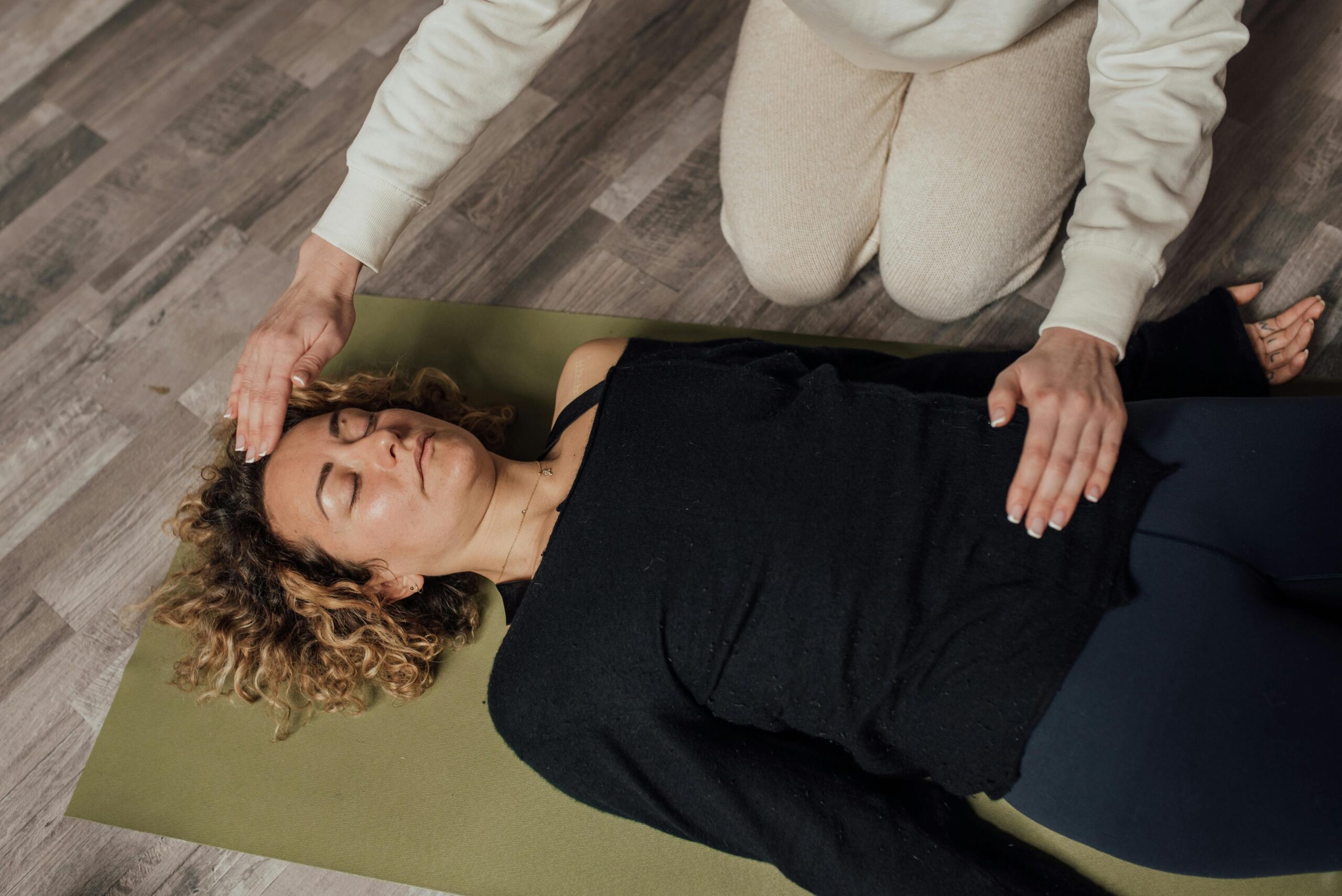
Unlike massage or acupuncture, Reiki does not involve physical manipulation or the insertion of needles. Instead, it works on a subtle energetic level, with practitioners lightly placing their hands on or just above specific areas of the body.
The Philosophy of Reiki
The foundation of Reiki practice lies in the idea that when life energy flows freely, the body and mind are in balance, leading to health and well-being. Conversely, when this energy is blocked or diminished, it can lead to physical illness, emotional distress, or spiritual unease.
Usui developed not only techniques for channeling energy but also a set of guiding principles known as the Five Reiki Precepts:
Just for today, I will not worry.
Just for today, I will not be angry.
Just for today, I will be grateful.
Just for today, I will do my work honestly.
Just for today, I will be kind to every living thing.
These precepts are more than affirmations; they are daily reminders to cultivate a life of mindfulness, compassion, and balance.
How Reiki Sessions Work
A typical Reiki session lasts between 45 and 90 minutes. The recipient lies down fully clothed, often on a massage table, in a calm and quiet environment. Soft music, dim lighting, and aromatherapy may be used to enhance relaxation.
The practitioner then gently places their hands on or above specific points of the body—often corresponding with chakras or energy centers. These hand positions are held for several minutes as the practitioner channels energy. Some people experience sensations such as warmth, tingling, or deep relaxation, while others simply feel calm and rested.
Reiki does not require belief in order to work. Many who approach Reiki skeptically are surprised by its calming and restorative effects.
Benefits of Reiki Therapy
Reiki is not a replacement for medical care but is increasingly recognized as a complementary therapy that supports conventional treatments. Its benefits include:
Stress Reduction and Relaxation
One of Reiki’s most immediate effects is a profound sense of calm. This relaxation response helps lower blood pressure, reduce tension, and improve sleep quality.
Emotional Balance
Reiki can help release pent-up emotions, reduce anxiety, and promote emotional clarity. Many clients report feeling lighter and more centered after a session.
Pain Relief
Studies suggest Reiki may reduce pain, whether chronic (such as arthritis or migraines) or acute (such as post-surgical discomfort). It is sometimes used in hospitals and hospices to ease patient suffering.
Enhanced Healing
Reiki is thought to stimulate the body’s natural healing abilities by restoring energy flow. People recovering from illness or surgery often report faster healing when Reiki is integrated into their care.
Spiritual Growth
For many, Reiki is not only about physical healing but also about spiritual alignment. It fosters self-awareness, compassion, and a deeper connection to life.
Reiki in Modern Healthcare
Reiki has steadily gained acceptance in mainstream healthcare systems around the world. Hospitals, cancer centers, and hospices are increasingly incorporating Reiki as a complementary therapy.
For example:
The Cleveland Clinic in the United States offers Reiki sessions to patients as part of its integrative medicine program.
In the UK, Reiki is recognized by the Complementary and Natural Healthcare Council (CNHC).
Nurses and healthcare professionals are increasingly being trained in Reiki to provide supportive care for patients.
Scientific studies on Reiki are ongoing. While skeptics argue that its effects may be placebo-driven, many patients and practitioners report tangible, measurable improvements in quality of life.
Becoming a Reiki Practitioner
Reiki is accessible to anyone interested in learning. Training is typically structured into three levels or degrees:
Level I (Shoden) – Focuses on self-healing and learning to channel energy to others through hands-on practice.
Level II (Okuden) – Introduces sacred symbols and mantras to enhance the flow of energy, as well as distance healing techniques.
Level III / Master Level (Shinpiden) – Deepens spiritual practice, mastery of energy work, and the ability to teach and attune others to Reiki.
Unlike some healing modalities, Reiki does not require years of study or specialized equipment. However, sincere practice, mentorship, and personal growth are considered vital to becoming an effective practitioner.
Common Misconceptions About Reiki
Despite its popularity, Reiki is often misunderstood. Here are a few clarifications:
It is not a religion. While Reiki has spiritual roots, it does not require adherence to any religious belief system.
It does not involve manipulation. Reiki is different from massage or chiropractic care. There is little to no physical contact, and no bodily adjustments are made.
It is not magic. Reiki works subtly and gradually, supporting the body’s own healing mechanisms rather than producing instant miracles.
It complements, not replaces, medical care. Reiki is best viewed as part of a holistic approach that integrates conventional and alternative healing practices.
Self-Reiki: Healing at Your Fingertips
One of Reiki’s unique advantages is its adaptability for self-care. Once trained, individuals can practice Reiki on themselves daily to promote balance and resilience. Common hand positions for self-Reiki include placing hands over the heart, stomach, or forehead. Even a few minutes of practice can reduce stress and restore calm in the midst of daily challenges.
The Future of Reiki
As interest in holistic health grows, Reiki continues to expand worldwide. Its integration into wellness programs, corporate stress reduction workshops, and even veterinary care highlights its versatility. Future research may further validate what practitioners have long experienced: that Reiki is a gentle yet powerful way to support well-being.
Moreover, in a society increasingly plagued by stress-related illnesses, practices like Reiki that encourage slowing down, connecting inward, and nurturing balance are more relevant than ever.